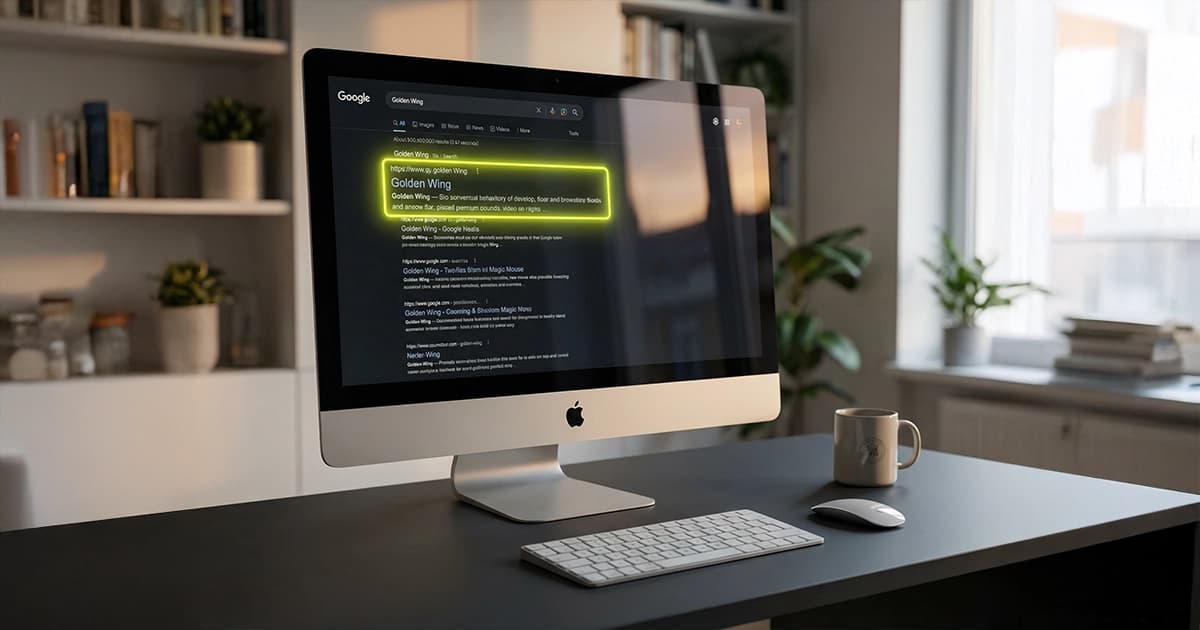

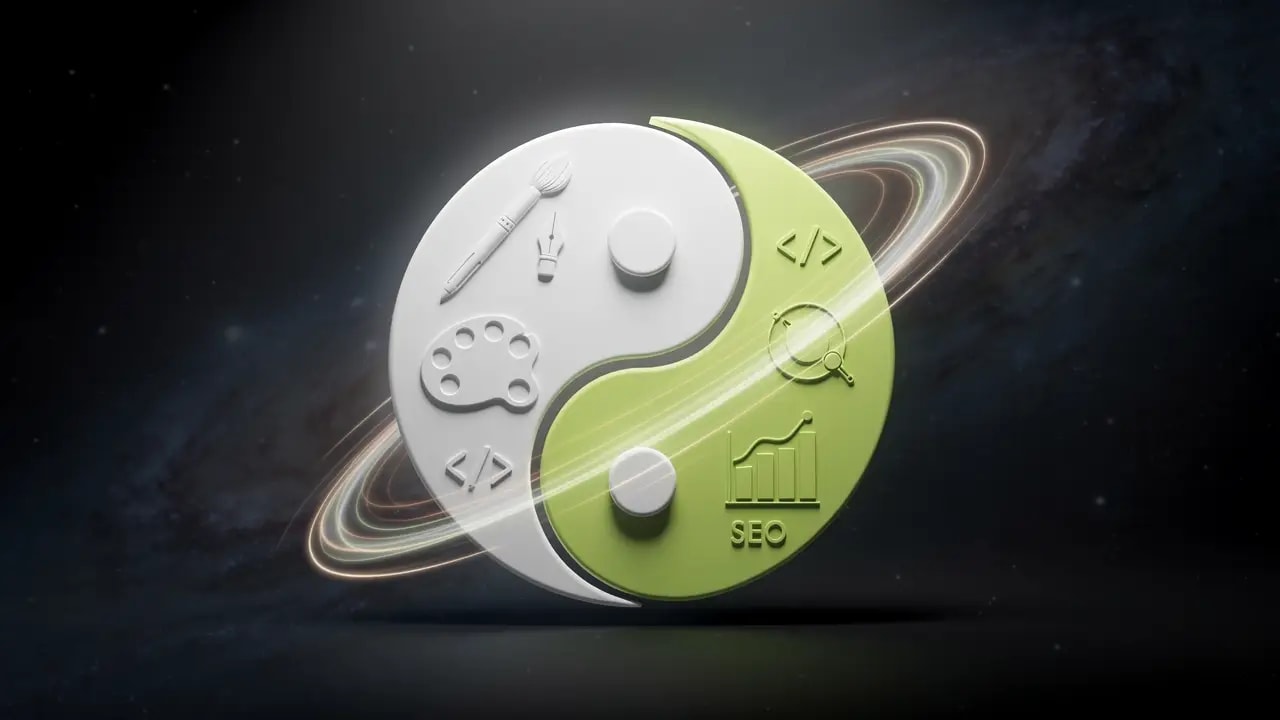
Building a website that looks stunning but never appears in search results is a costly mistake many businesses make. The reality is that web design and search engine optimization are not separate disciplines -- they are deeply interconnected, and treating them in isolation leads to suboptimal outcomes on both fronts. When design decisions are made without considering SEO implications, and when SEO strategies ignore the user experience, the result is a website that fails to reach its full potential. This guide explains exactly how to combine web design and SEO into a unified strategy that drives visibility, engagement, and conversions.
Why Web Design and SEO Belong Together
For years, web design and SEO existed in separate silos. Designers focused on visual aesthetics and brand identity, while SEO specialists entered the picture only after launch, trying to retrofit optimization onto an existing structure. This approach is fundamentally flawed because many of the most impactful SEO factors are determined by design decisions that are difficult and expensive to change retroactively.
Google's algorithm has evolved to evaluate websites holistically. It assesses not only content quality and backlinks but also page speed, mobile usability, accessibility, and overall user experience. All of these signals are shaped by web design choices. A visually impressive website with poor technical implementation will struggle to rank, while a perfectly optimized site with a poor user interface will fail to retain visitors.
The integration of web design and SEO is therefore not a nice-to-have but a business imperative. Organizations that align both disciplines from the very beginning of a project benefit on multiple levels:
- Better rankings: Websites that are technically sound and provide a good user experience are favored by Google.
- Higher conversion rates: When design and content are aligned, visitors convert to customers more frequently.
- Lower costs: Retrofitting SEO optimizations into an existing design is expensive and time-consuming. Considering both from the start saves money in the long run.
- Sustainable visibility: A holistically optimized website maintains its rankings more consistently than one that has only been superficially optimized.
As an experienced SEO & Content agency, we see the difference an integrated approach makes every day.
How Web Design Affects SEO
Web design forms the technical and structural foundation on which every SEO strategy is built. Several design decisions have a direct and measurable impact on search engine visibility.
Site architecture determines how Google crawls and indexes a website's content. A flat, logical hierarchy with clear navigation paths makes it easier for search engine bots to discover all relevant pages and categorize them correctly. Deeply nested structures with more than three click levels hinder both indexation and user navigation.
Page speed is a confirmed ranking factor. Every design decision -- from image sizes and font loading to animations and JavaScript libraries -- affects how quickly a page loads. Google measures this through Core Web Vitals, specifically the Largest Contentful Paint (LCP), Interaction to Next Paint (INP), and Cumulative Layout Shift (CLS). Learn how to optimize these metrics in our Accessibility & Performance section.
Visual layout influences user behavior, which Google increasingly uses as a ranking signal. Dwell time, bounce rate, and interaction depth all depend on how effectively the design guides and engages visitors. A well-crafted visual hierarchy directs attention to the most important content and motivates users to keep reading.
Beyond these factors, accessibility plays a growing role. Alt texts for images, clean heading structures, and semantic HTML help both screen readers and search engine crawlers correctly interpret content.
SEO-Friendly Website Structure
An SEO-friendly structure begins not with meta tags but with information architecture. Before a single pixel is designed, it should be clear which pages the website will contain, how they relate to each other, and which search intents they serve.
URL structure should be logical and descriptive. Short, keyword-rich URLs like `/services/web-design` are more understandable for both users and search engines than cryptic strings of characters. Each URL should represent a clear topic and fit logically into the overall site hierarchy.
Internal linking is one of the most underestimated SEO levers. Strategic links between thematically related pages signal to Google which content belongs together and which pages are most important. At the same time, internal links guide users to additional relevant information. Thorough content structuring is essential for this purpose.
When structuring a website, we focus on the following elements:
- Clean heading hierarchy: Each page has exactly one H1 element, followed by logically nested H2 through H4 headings.
- Breadcrumb navigation: It shows users and search engines the current location within the website structure.
- Topic clusters: Related pages are linked together to strengthen thematic areas.
- XML sitemap: An up-to-date sitemap helps search engines reliably find all relevant pages.
- Schema markup: Structured data enables rich snippets in search results and increases click-through rates.
A well-planned information architecture also forms the basis for an effective content strategy that meaningfully connects topic clusters and pillar pages.
UX Design and Search Engines
User experience and SEO pursue the same fundamental goal: providing users with the best possible experience. Google has recognized this alignment and firmly integrated UX signals into its algorithm. Core Web Vitals are only part of the equation -- navigation quality, readability, and interaction patterns also factor into rankings.
A central UX principle is the reduction of friction. Every extra click, unexpected popup, and unclear navigation element increases the likelihood that visitors will leave. A well-crafted UX concept anticipates user needs and guides them intuitively toward their goal, whether that is a contact request, a purchase, or reading an article.
Key UX factors that directly influence SEO include:
- Clear calls-to-action: Visible and understandable CTAs reduce bounce rates and improve conversion rates.
- Clean layout: Sufficient white space and a clear visual structure make it easier to scan content.
- Quick orientation: Users should understand within seconds what a page is about and what they can do next.
- Trust signals: Customer reviews, certifications, and references build trust and are valued by Google as E-E-A-T signals.
- Readability: Adequate font sizes (at least 16px), good contrast ratios, and well-structured paragraphs ensure users actually read the content.
Font size and line spacing significantly affect readability. Text that is too small on mobile devices or has insufficient line height causes users to abandon the page. Google detects these issues and ranks pages with poor mobile readability accordingly lower.
Technical SEO in the Design Process
Technical SEO should not be an afterthought but an integral part of the web design process. Many technical ranking factors are determined by design decisions that are costly to change later.
Crawlability and indexation come first. The website must ensure that all relevant pages are accessible to search engines. This includes a correctly configured robots.txt, an up-to-date XML sitemap, and the avoidance of accidental noindex directives. At the same time, irrelevant pages such as thank-you pages or internal search results should be excluded from indexation.
Rendering is a frequently overlooked factor. Websites that rely heavily on client-side JavaScript can cause indexation problems because Google sees the content only after executing the JavaScript. Server-Side Rendering (SSR) or Static Site Generation (SSG) are more reliable approaches.
The most important technical SEO measures in the web design process include:
- Optimized image formats: Modern formats like WebP or AVIF significantly reduce file sizes while maintaining quality.
- Lazy loading: Images and videos are loaded only when they scroll into the visible area.
- Minified code: CSS and JavaScript files are compressed and bundled to reduce HTTP requests.
- Responsive images: The srcset attribute delivers different image resolutions based on screen size.
- Structured data: Schema.org markup for FAQs, articles, LocalBusiness, and breadcrumbs enables rich snippets.
- HTTPS encryption: SSL certificate and correct redirects are mandatory.
Use our free SEO Checker to assess the technical health of your website. If you want to improve your Google ranking, technical optimization is often the most effective first step.
Content Design for Better Rankings
Content design refers to the visual and structural presentation of content, and it has a substantial impact on SEO performance. Writing quality text is not enough; it must also be presented in a way that both users and search engines can process optimally.
Scannability is critical. Research shows that most users do not read web content word by word but scan it instead. Short paragraphs, descriptive subheadings, bullet points, and highlighted key terms make scanning easier and increase the likelihood that visitors find the information relevant to them.
Visual elements such as images, infographics, and videos enrich content and increase time on page. It is important that all media are SEO-optimized: descriptive file names, meaningful alt text, and compressed file formats (WebP or AVIF). A solid content strategy incorporates these elements from the start.
The above-the-fold design determines the first impression. The visible area before scrolling should immediately communicate what the page is about and provide an incentive to continue reading. Google measures LCP (Largest Contentful Paint) in exactly this area, which is why technical performance here is particularly important.
The E-E-A-T principle also plays an important role in content design: Experience, Expertise, Authoritativeness, and Trustworthiness. Author bios with qualifications, source citations, and current data signal content quality to Google.
A look at the latest web design trends reveals that minimalism, storytelling, and interactive elements dominate -- and all three can be excellently combined with SEO strategies.
Mobile-First Design and SEO
Since Google switched to Mobile-First Indexing, the mobile version of a website is the primary basis for evaluation. This means that if your website does not function optimally on smartphones, your rankings will suffer -- regardless of how good the desktop version is.
Mobile-first design does not simply mean shrinking the desktop version. It requires a dedicated concept that places the needs of mobile users at the center. Touch-friendly controls, readable font sizes without zooming, fast load times on cellular networks, and simplified navigation are the cornerstones.
The following aspects are critical for successful mobile-first SEO design:
- Touch-optimized navigation: Menus and buttons must be large enough for finger operation. Google recommends a minimum size of 48x48 pixels for interactive elements.
- Readable font sizes: On mobile devices, the base font size should be at least 16 pixels to avoid zooming.
- Optimized media: Images and videos must be optimized for mobile bandwidths. The srcset attribute allows different image sizes for different screen resolutions.
- No hidden content: Content hidden behind accordions or tabs on smartphones may be weighted lower by Google.
- Fast loading times: Mobile users expect a page to load in under three seconds. Each additional second significantly increases the bounce rate.
Progressive Web Apps (PWAs) offer a modern way to improve the mobile user experience while gaining SEO benefits. They combine the speed of native apps with the discoverability of websites.
Common Mistakes in Web Design and SEO
Even experienced teams make mistakes when web design and SEO are not integrated from the beginning. Here are the most common pitfalls we encounter in our work.
Mistake 1: Design before content. Many projects begin with visual design before the content exists. This leads to text being forced into rigid layout constraints rather than the design supporting the content. The correct approach is content-first: plan the content, then design around it.
Mistake 2: Overloaded homepages. Sliders, animations, auto-playing videos, and numerous widgets make homepages slow and confuse users. Less is often more -- a clear message with fast load times convinces both Google and visitors.
Mistake 3: Missing or duplicate heading tags. When H1 tags are used multiple times, heading levels are skipped, or headings are used purely for decoration, Google loses its orientation. The heading structure should always be semantically correct.
Mistake 4: Neglected image optimization. Uncompressed images in PNG or JPEG format weighing several megabytes are one of the most common reasons for slow websites. Modern formats like WebP and AVIF offer significantly better compression with comparable quality.
Mistake 5: JavaScript dependencies. Content loaded only via JavaScript may be invisible to search engines. Critical content should always be included in the initial HTML.
Mistake 6: Missing redirects. During a relaunch, URL structures are often changed without redirecting old URLs via 301 redirects. The result: loss of rankings and backlink authority.
Additionally, missing meta descriptions, unconfigured 404 pages, and broken internal links cause a website's SEO performance to fall well short of its potential.
Checklist: SEO-Friendly Web Design
The following checklist summarizes the key points that should be addressed in every web design project:
Planning and Strategy:
- [ ] Conduct keyword research before designing
- [ ] Define information architecture and page structure
- [ ] Establish URL structure with descriptive URLs
- [ ] Choose a mobile-first approach as the design foundation
Technical Implementation:
- [ ] Optimize Core Web Vitals (LCP < 2.5s, INP < 200ms, CLS < 0.1)
- [ ] Provide images in modern formats (WebP/AVIF)
- [ ] Implement lazy loading for images and videos
- [ ] Activate SSL encryption
- [ ] Set up XML sitemap and robots.txt
Design and UX:
- [ ] Clear visual hierarchy with correct heading structure
- [ ] Responsive design for all screen sizes
- [ ] Touch-friendly navigation and buttons (minimum 48x48px)
- [ ] Adequate contrast and readability (font minimum 16px)
- [ ] Accessibility according to WCAG guidelines
Content and On-Page SEO:
- [ ] Unique title tags and meta descriptions for every page
- [ ] Alt texts for all images
- [ ] Schema markup for rich snippets
- [ ] Implement internal linking strategy
- [ ] Content design with E-E-A-T signals
Post-Launch:
- [ ] Set up Google Search Console and submit sitemap
- [ ] Check website with the SEO Checker
- [ ] 301 redirects for all changed URLs
- [ ] Regular monitoring of Core Web Vitals
Conclusion
Web design and SEO are two sides of the same coin. A website that is visually compelling but not technically and structurally optimized for search engines will never reach its full potential. Conversely, the best SEO strategy is ineffective if the design fails to retain visitors and motivate interaction.
The key lies in early integration of both disciplines. When designers, developers, and SEO specialists collaborate from the very beginning, the result is websites that delight both users and search engines. At GoldenWing 360, we unite web design and SEO & Content in every project -- for results that are both visible and measurable.
Ready to redesign your website or resolve existing SEO issues? Contact us for a no-obligation consultation. Together, we will develop a web design concept that is built for visibility and performance from day one.