


There are hundreds of SEO plugins for WordPress. We still started building our own in 2025 — and today it runs in production on more than 20 partner websites. At first glance that seems unreasonable. At second glance it was the most logical decision we could make as an agency. Here is the story — and what it reveals about the future of SEO.
The problem: SEO plugins produce to-do lists, not results
Anyone running a WordPress site knows the pattern: the SEO plugin paints traffic lights. Green, yellow, red. It says "meta description too short", "keyword density low", "alt texts missing". And then? Then the real work begins — by hand, page by page, field by field.
In agency practice this means: an audit finds 200 issues, and fixing them costs 20 hours of clicking. The analysis is automated, the execution is not. That gap bothered us for years.
The established plugins are not bad. Yoast and Rank Math make the basics accessible, and for a single occasionally-maintained website they are enough. The limit shows at scale: 40 landing pages, three languages, a page builder like Elementor in between — and suddenly "green light on every page" is a full-time job.
The trigger: AI assistants can do the work — if you let them
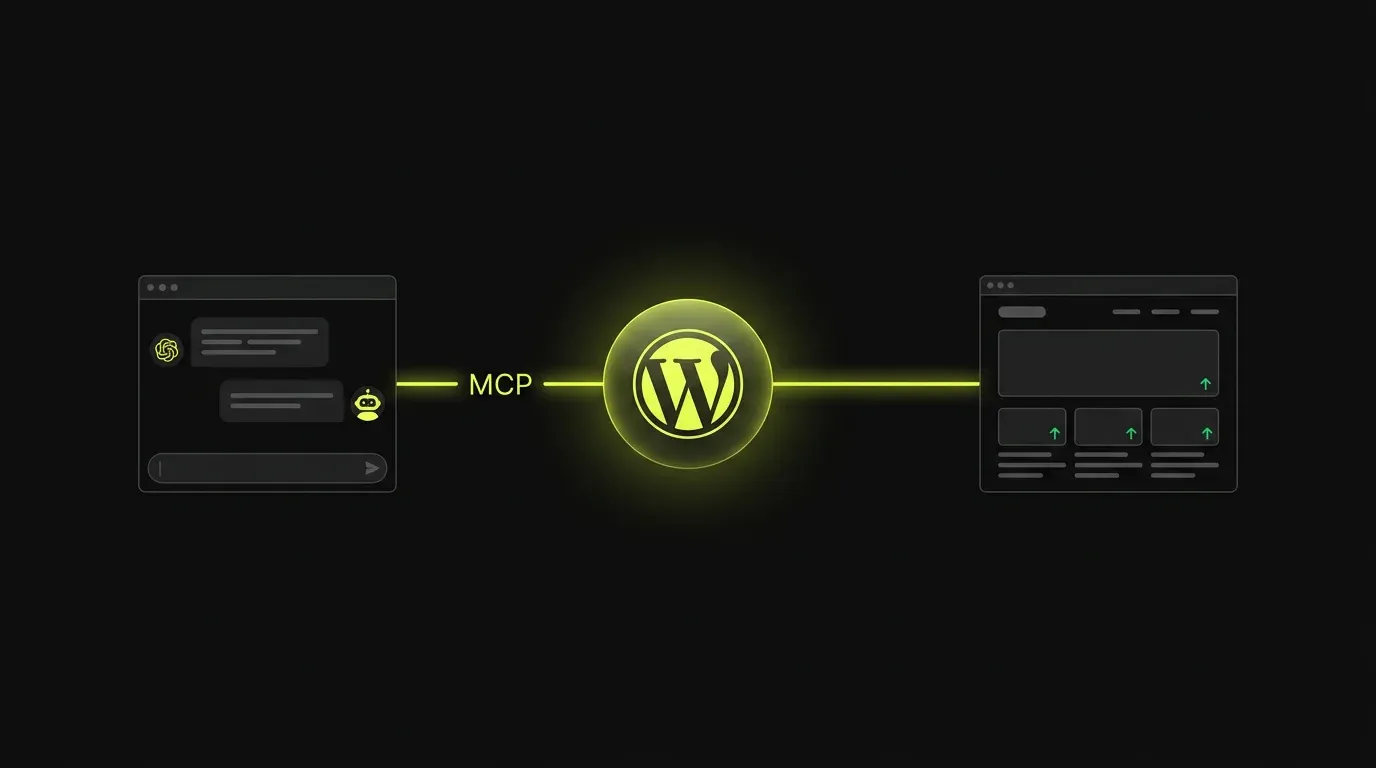
In 2025 it became clear that search itself is changing: a growing share of buying decisions no longer starts at Google but in AI assistants like ChatGPT. At the same time, those assistants became able to operate software directly — via the Model Context Protocol (MCP), an open interface that lets AI models use tools.
So the idea was on the table: what if the SEO plugin gave the AI a toolbox instead of giving the human a to-do list? What if ChatGPT or Claude could audit the website directly, rework meta data in bulk, set schema markup, create redirects and suggest internal links — controlled and traceable, but without 20 hours of clicking?
What SEOWing does differently
That is how SEOWing came to be — a WordPress plugin designed AI-first from the start. It differs from classic plugins in three ways:
- MCP interface: AI assistants like Claude or ChatGPT connect directly to the WordPress site and execute SEO work — from full site audits and bulk meta optimization to schema markup, redirects and internal link suggestions.
- Page-builder awareness: SEOWing understands Elementor structures — heading hierarchies, missing alt texts and thin content blocks are detected and fixed where many tools only see raw text.
- GEO built in: the plugin generates llms.txt files and structured content so websites can be read and cited by AI search — not just by Google.
A real example: from audit to execution in one session
A typical SEOWing workflow — as it actually ran on the websites of a laboratory group we manage:
- Step 1 — Audit: the AI assistant runs a full site audit via MCP. Result: duplicate titles, missing meta descriptions on dozens of pages, broken heading hierarchies in Elementor layouts, missing alt texts.
- Step 2 — Prioritization: instead of a 200-item list, the owner gets an assessment: what costs rankings, what is cosmetics? The human decides what gets done.
- Step 3 — Execution: the assistant works through the approved items directly — meta data in bulk, alt texts, schema markup, redirects. What used to be days of clicking happens in one session.
- Step 4 — Control: every change is traceable and reversible in the WordPress backend. The AI works, the human reviews.

The real-world test: 20+ websites in production
SEOWing is not a lab project. The plugin runs in production on more than 20 websites of a laboratory group we manage — with ongoing audits, automated fixes and multilingual setups. Every feature we ship has survived real projects first, and every weakness found in operation flows back into development.
That loop is the real value for our clients: what we learn building the plugin — how AI search reads content, which structured data works, how to automate optimization without losing quality — flows directly into every SEO project of the agency.
Three things building a plugin taught us about SEO
1. Automation without control is dangerous
The most tempting shortcut — "just let the AI fix everything" — is the wrong one. An AI rewriting hundreds of pages unchecked can break more than it repairs. SEOWing is deliberately built so the human keeps approval: the AI proposes and executes, but does not decide alone what goes live.
2. Page builders are the blind spot of the SEO industry
A large share of WordPress websites is built with Elementor & co. — but most SEO tools only analyze rendered text and cannot repair anything inside builder structures. Whoever can work there automatically unlocks potential other tools do not even see.
3. AI search rewards structure, not tricks
Optimizing for ChatGPT & co., you do not win by stacking keywords but by delivering content a machine can safely cite: clear answers, clean structure, verifiable facts, consistent data across sources. Which is good news — it matches what humans prefer too.
What this reveals about the future of SEO
We are convinced the separation between "SEO for Google" and "visibility in AI assistants" is disappearing right now. WordPress is building AI deep into its core, search engines answer questions directly, and assistants recommend service providers without a click on a search result. To be visible in that world, you need content and technology readable by humans AND machines.
That is exactly the intersection we work at — as an agency in client projects and as developers with SEOWing. More about the plugin at seowing.io. And if you want to know how visible your website is in Google and AI search: our SEO service always starts with an honest analysis.