

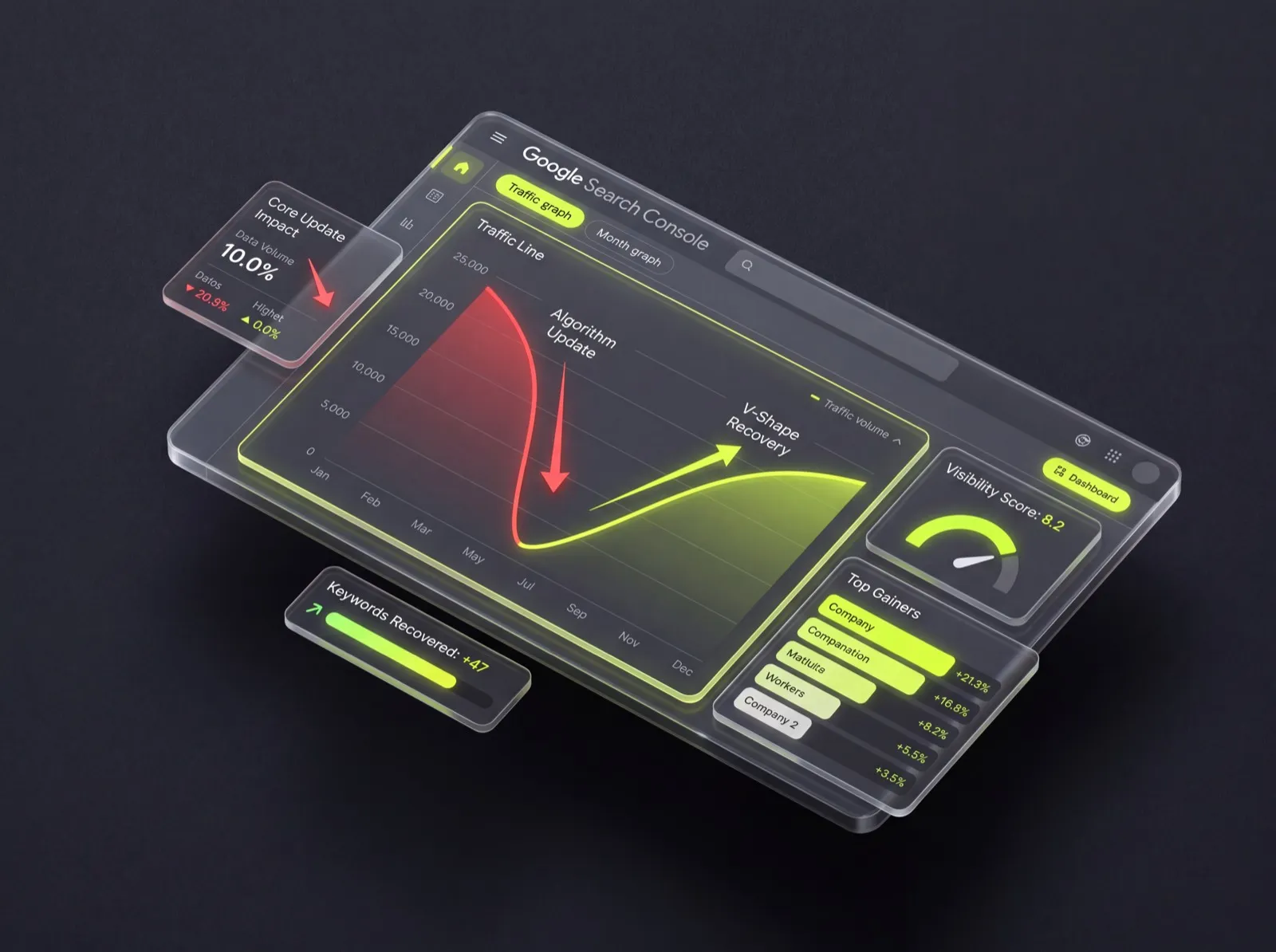
The SEO world is experiencing seismic shifts: The Google March 2026 Core Update has triggered massive ranking fluctuations across all industries. Between March 5th and 27th, 2026, Google rolled out one of the most comprehensive algorithm updates in recent years.
Over 55% of websites experienced significant ranking changes within the first two weeks. As an SEO specialist at Golden Wing, I've analyzed the impact across dozens of client sites and compiled this actionable guide to help you navigate the update successfully.
What is the Google March 2026 Core Update?
The March 2026 Core Update represents Google's most extensive algorithm adjustment since the Helpful Content Update in 2024. The rollout spanned 22 days and introduced fundamental changes in how Google evaluates content quality, technical performance, and authority.
Key Changes at a Glance:
- Stricter E-E-A-T criteria (Experience, Expertise, Authoritativeness, Trust)
- Enhanced AI-generated content detection
- Increased weight on Core Web Vitals
- Stronger focus on geographic relevance
- New evaluation criteria for author credibility
Unlike previous updates, this rollout occurred in two distinct waves: Phase one (March 5-12) brought moderate fluctuations, while phase two (March 13-27) caused massive ranking shifts.
Industry Impact Statistics:
- 55% of sites saw ranking changes within 14 days
- Average volatility increase: 73% compared to baseline
- Recovery timeline: 8-12 weeks for most affected sites
- Winners: Sites with strong E-E-A-T signals (+36% average traffic)
- Losers: AI-heavy content sites without human expertise (-42% average traffic)
E-E-A-T: The New Foundation for Rankings
E-E-A-T isn't new, but Google has radically tightened evaluation criteria. What was previously "nice to have" is now mandatory for competitive rankings.
Experience (First-Hand Knowledge)
Google now expects demonstrable practical experience. Research shows: 73% of top-10 rankings belong to content with documented first-hand experience.
Practical Implementation:
- Add specific case examples from your practice
- Document own tests, projects, and results
- Share specific learnings from daily work
- Use photos, screenshots, or videos as proof
**Example:** Instead of "We build responsive websites," write "Over the past 12 months, we've developed 18 business websites achieving an average 89/100 PageSpeed score, with 94% of users reporting improved mobile experience."
What Google Looks For:
- Personal anecdotes and experiences
- Behind-the-scenes insights
- Lessons learned from failures
- Original data from your own operations
- Process documentation with real examples
Expertise (Demonstrable Knowledge)
Expertise must be visible and verifiable. Google now systematically checks:
- Professional qualifications of authors
- Industry experience and specialization
- Mentions in external sources
- Match between author expertise and topic
Expertise Signal Checklist:
- [ ] Detailed author bio with qualifications
- [ ] LinkedIn profile linked and current
- [ ] Guest posts in industry publications
- [ ] Speaking engagements, workshops, webinars
- [ ] Relevant certifications (Google Analytics, HubSpot, etc.)
- [ ] Portfolio of previous work
- [ ] Academic credentials (if relevant)
- [ ] Industry awards or recognition
Verification Methods Google Uses:
- Cross-referencing author credentials across platforms
- Analyzing consistency of expertise claims
- Checking co-citations with known experts
- Evaluating publication history and quality
Authoritativeness (External Validation)
Authority comes from external confirmation. Google analyzes:
- Backlinks from trustworthy sources
- Mentions in media and industry publications
- Social signals from relevant accounts
- Co-citations with established experts
Concrete Actions:
- Guest contributions in established publications
- Participation in industry events
- Building relationships with journalists and influencers
- Citations and references in studies or reports
- Podcast appearances and interviews
- Awards and industry recognition
- Speaking slots at conferences
Authority Building Timeline:
- **Month 1-3:** Build foundational content and profiles
- **Month 4-6:** Begin outreach for guest posts and mentions
- **Month 7-12:** Establish regular media presence
- **Year 2+:** Maintain and expand authoritative position
Trust (Reliability Signals)
Trust is the foundation of all E-E-A-T signals. Google evaluates:
Technical Trust:
- SSL encryption (HTTPS)
- Secure payment methods (for e-commerce)
- Clear privacy policy (GDPR compliant)
- Complete and accurate imprint/about page
- No deceptive ads or pop-ups
- Transparent affiliate disclosures
Content Trust:
- Fact-based statements with citations
- Correct and current information
- Transparent conflicts of interest
- Clear distinction between ads and editorial content
- Regular content updates
- Error corrections when needed
Trust Killers to Avoid:
- Clickbait headlines that don't match content
- Outdated information (especially in YMYL topics)
- Broken links and 404 errors
- Aggressive monetization tactics
- Hidden costs or fees
- Poor grammar and spelling errors
AI Content Detection: The End of Mass Production
Google has massively improved its AI content detection capabilities. The update targets:
- Template-based AI content
- Rephrased competitor articles
- Content without independent insights
- Generic guides without practical relevance
What NO LONGER Works:
- ChatGPT outputs without human editing
- 1:1 translations without local adaptation
- Automatically generated product descriptions
- Summarized competitor content without added value
- Bulk-produced articles with no unique angle
What DOES Work:
- AI as research tool, human as editor
- Integrating proprietary data and case studies
- Adding local examples and perspectives
- Including personal opinions and experiences
- Using AI for structure, adding human expertise
- Fact-checking AI outputs against primary sources
Best Practice Workflow:
- **Research Phase:** Use AI to gather information
- **Structure Phase:** AI creates initial outline
- **Enhancement Phase:** Add 40%+ original content
- **Verification Phase:** Fact-check all claims
- **Humanization Phase:** Add tone, examples, opinions
- **Quality Check:** Read aloud, ensure natural flow
Detection Signals Google Uses:
- Repetitive sentence structures
- Generic phrases common in AI output
- Lack of specific examples or data
- Absence of personal voice or opinion
- Perfect grammar without stylistic variation
- Missing context or cultural references
Core Web Vitals: Technical Performance Becomes Mandatory
Core Web Vitals have evolved from "nice-to-have" to direct ranking factors. Google measures:
Largest Contentful Paint (LCP)
**Target:** < 2.5 seconds
**Measurement:** Time until largest visible element loads
Optimization Strategies:
- Compress images (WebP instead of JPEG/PNG)
- Implement lazy loading for below-the-fold images
- Use CDN for faster delivery
- Optimize server response time (< 600ms)
- Preload critical resources
- Remove render-blocking resources
- Optimize CSS delivery
Quick Wins:
- Convert hero images to WebP: ~65% file size reduction
- Enable Gzip compression: ~70% text resource reduction
- Implement browser caching: faster repeat visits
- Use modern image formats (AVIF where supported)
Interaction to Next Paint (INP)
**Target:** < 200 milliseconds
**Measurement:** Response time to user interactions
Optimization Strategies:
- Optimize JavaScript execution
- Reduce third-party scripts
- Efficiently design event handlers
- Avoid long tasks (> 50ms)
- Code-split large JavaScript bundles
- Defer non-critical JavaScript
- Use web workers for heavy computations
Common INP Issues:
- Heavy analytics scripts
- Chatbot widgets
- Social media embeds
- Complex form validation
- Unoptimized event listeners
Cumulative Layout Shift (CLS)
**Target:** < 0.1
**Measurement:** Unexpected layout shifts
Optimization Strategies:
- Fixed size declarations for images and videos
- Placeholders for dynamically loaded content
- No ads that shift content
- Optimal web font loading
- Reserve space for embeds
- Avoid inserting content above existing content
- Use CSS aspect-ratio for responsive images
**Statistics:** Websites with LCP < 2.5s retain 53% more mobile visitors. Every 100ms slower load time = 7% fewer conversions.
Testing Tools:
- PageSpeed Insights (free)
- Chrome DevTools (free)
- WebPageTest (free)
- Lighthouse CI (free, automated)
- Real User Monitoring (paid)
Search Intent Alignment: User-Centric Optimization
Google has refined search intent analysis. The update considers:
Informational Intent
What Google Expects:
- Comprehensive answer to the question
- Structured information (lists, tables)
- Anticipate related questions
- Practical examples and use cases
- Multiple perspectives on the topic
- Actionable takeaways
**Example:** Search query "SEO best practices 2026"
- ❌ Generic list without depth
- ✅ Detailed guide with specific tactics, examples, and data
Content Structure for Informational Intent:
- Direct answer to main question (first paragraph)
- Comprehensive explanation with subheadings
- Practical examples and case studies
- Related questions answered
- Visual aids (images, diagrams, videos)
- Summary and next steps
Transactional Intent
What Google Expects:
- Clear product/service information
- Transparent pricing and conditions
- Trust signals (reviews, certifications)
- Simple purchase process
- Comparison with alternatives
- Clear calls-to-action
Conversion Optimization:
- Product descriptions with specifications
- High-quality images from multiple angles
- Customer reviews and ratings
- Clear shipping and return policies
- Security badges and guarantees
- Live chat support availability
Navigational Intent
What Google Expects:
- Fast access to desired page
- Clear sitemap and navigation
- Optimized branded keywords
- Internal search functionality
- Breadcrumb navigation
- Clear page hierarchy
**Geographic Intent:** The update favors content from websites in the target country. Local businesses with strong local signals outperform international competitors for geo-specific queries.
Author Credibility: Who Writes Matters More Than Ever
72% of all top-10 rankings have detailed author credentials. Google checks:
Optimize Author Bio
Minimum Standard:
- Full name (not "Editorial Team" or generic)
- Professional position and company
- Relevant qualifications
- Link to professional social media profile (LinkedIn)
- Contact information or email
Best Practice:
- Dedicated author page on website
- Detailed professional experience
- List of publications and contributions
- External mentions and awards
- Social proof (followers, engagement)
- Personal website or portfolio
- Video introduction (optional)
Author Bio Template:
[Full Name] is a [Position] at [Company] with [X] years of experience in [Field].
[He/She] has [specific achievement or credential].
[Author Name] has been featured in [Publication 1], [Publication 2], and [Publication 3],
and regularly speaks at [Industry Events].
[Additional relevant credentials, certifications, or achievements].
Connect with [Author Name] on LinkedIn: [Link]
Content-Author Match
Google verifies whether the author is qualified to write about the topic.
Examples:
✅ **Good:** SEO specialist with 8 years experience writes about "Core Web Vitals Optimization"
❌ **Bad:** Junior copywriter without SEO background writes about "Technical SEO"
✅ **Good:** Certified nutritionist writes about "Healthy Diet Plans"
❌ **Bad:** Freelance writer with no health credentials writes medical advice
Solution for Small Teams:
- Guest authors for specialized topics
- Interviews with experts
- Co-authoring with specialists
- Editorial review by qualified professionals
- Clear attribution when quoting experts
Author Authority Signals:
- Consistent authorship across multiple quality articles
- Author page with comprehensive bio
- External verification (Wikipedia, LinkedIn, company website)
- Published works in established publications
- Speaking engagements and conference appearances
- Industry certifications and credentials
- Social media following in relevant niche
Recovery Strategies: Getting Back to Top Rankings
If your traffic dropped after the update:
Phase 1: Impact Analysis (Day 1-3)
Step-by-Step Process:
- Open Google Search Console
- Analyze Performance Report for March 1-27
- Identify pages with biggest losses
- Document affected keywords
- Check for manual actions or penalties
- Review Core Web Vitals report
- Analyze competitor movements
Key Metrics to Track:
- Click drop percentage
- Impression changes
- Average position shifts
- CTR variations
- Page-level performance
- Query-level performance
Tools:
- Google Search Console (free)
- Google Analytics 4 (free)
- Sistrix Visibility Index (paid)
- SEMrush Position Tracking (paid)
- Ahrefs Rank Tracker (paid)
Phase 2: Content Audit (Day 4-10)
For each affected page, check:
- [ ] Author bio present and detailed?
- [ ] First-hand experience documented?
- [ ] Sources cited for all facts?
- [ ] Content current (max. 12 months old)?
- [ ] Unique insights present?
- [ ] Matches search intent?
- [ ] Sufficient depth (min. 1,500 words for competitive topics)?
- [ ] Proper heading structure?
- [ ] Internal linking optimized?
- [ ] Images with alt text?
Content Quality Scoring:
Rate each page 1-10 on:
- Depth and comprehensiveness
- Originality and unique value
- Author expertise match
- Factual accuracy
- User experience
- Technical optimization
Prioritize improving pages with highest traffic potential and lowest scores.
Phase 3: Technical Optimization (Day 11-20)
Priority Actions:
- **Core Web Vitals:**
- Achieve LCP < 2.5s
- Optimize INP < 200ms
- Fix CLS < 0.1
- **Mobile Optimization:**
- Responsive design check
- Touch target sizes
- Mobile-specific content optimization
- **Structured Data:**
- Implement relevant schema types
- Test with Rich Results Test
- Fix schema errors
- **Internal Linking:**
- Build topical clusters
- Fix orphaned pages
- Optimize anchor text
Technical SEO Checklist:
- [ ] XML sitemap submitted and error-free
- [ ] Robots.txt optimized
- [ ] Canonical tags correct
- [ ] HTTPS fully implemented
- [ ] Mobile-first indexing ready
- [ ] Crawl errors fixed
- [ ] Duplicate content resolved
- [ ] 404 pages minimized
Phase 4: Content Enhancement (Day 21-40)
Priority 1: Strengthen E-E-A-T
- Add/improve author bios
- Include case studies
- Cite external sources
- Integrate practical examples
- Add expert quotes or interviews
- Create video content
- Include original research or data
Priority 2: Improve Depth
- Expand content length to min. 2,000 words (for competitive topics)
- Cover related subtopics
- Add FAQ section
- Include comparison tables
- Embed video or infographics
- Add actionable checklists
- Provide downloadable resources
Priority 3: Ensure Freshness
- Verify accuracy of all data
- Add recent developments
- Remove outdated information
- Update publication date
- Add "Last updated" timestamp
- Review and refresh statistics
- Update screenshots and examples
Content Enhancement Template:
For each article:
- Add opening paragraph with direct answer
- Include table of contents for long articles
- Add author bio at top or bottom
- Integrate 3-5 practical examples
- Include 2-3 case studies or data points
- Add FAQ section (5-10 questions)
- Include visual elements (images, charts, videos)
- Provide clear next steps or conclusion
Phase 5: Monitoring & Iteration (Ongoing)
Weekly Tasks:
- Check ranking movements
- Review Search Console data
- Monitor Core Web Vitals
- Track competitor changes
Monthly Tasks:
- Comprehensive content review
- Update outdated articles
- Identify new opportunities
- Analyze backlink profile
Quarterly Tasks:
- Full E-E-A-T audit
- Technical SEO audit
- Content gap analysis
- Strategy adjustment
Realistic Expectations:
- Initial improvements: 4-8 weeks
- Full recovery: 3-6 months
- Continued optimization: ongoing process
Industry-Specific Impacts
E-Commerce
**Heavily Affected:** Product pages with generic descriptions
Solutions:
- Original product photos instead of manufacturer images
- Detailed usage experiences from real customers
- Video reviews and unboxing content
- Comparison tools
- Size guides and fit information
- Customer Q&A sections
- Expert buying guides
E-Commerce E-E-A-T Checklist:
- [ ] Detailed product specifications
- [ ] Customer reviews (verified)
- [ ] Expert recommendations
- [ ] Clear return/refund policy
- [ ] Trust badges and security certifications
- [ ] Live chat or customer support
- [ ] Product comparison features
B2B Service Providers
**Heavily Affected:** Service pages without differentiation
Solutions:
- Detailed process descriptions with timelines
- Case studies with measurable results
- Team introduction with qualifications
- Industry-specific expertise demonstration
- White papers and research reports
- Webinars and educational content
- Client testimonials with specifics
B2B Content Strategy:
- Decision-maker focused content
- ROI calculators and tools
- Industry benchmarks and data
- Implementation guides
- Integration documentation
- Security and compliance information
News & Media
**Heavily Affected:** Aggregator content without original reporting
Solutions:
- Original research and interviews
- Journalist profiles with background and credentials
- Fact-checks and source citations
- Original reporting instead of agency content
- Breaking news with verified sources
- In-depth investigative pieces
- Expert commentary and analysis
Journalism Standards:
- Named sources wherever possible
- Clear correction policies
- Editorial independence statements
- Conflict of interest disclosures
- Verification process transparency
Local Service Businesses
**Winners of the Update:** Authentic local businesses
Best Practices:
- Google Business Profile with real photos
- Local customer reviews on multiple platforms
- Community involvement documentation
- Local partnerships and sponsorships
- Service area optimization
- Local schema markup
- Geo-specific landing pages
Local SEO Checklist:
- [ ] NAP consistency across all platforms
- [ ] Google Business Profile optimized
- [ ] Local citations built
- [ ] Location-specific content
- [ ] Local backlinks acquired
- [ ] Service area clearly defined
- [ ] Local keywords targeted
Common Mistakes to Avoid
❌ Mistake 1: Fake Authors
**Problem:** Using "Editor" or "Team" instead of real names
**Impact:** Loss of E-E-A-T signals, reduced rankings
**Solution:** Real team members with real profiles and verifiable credentials
❌ Mistake 2: Fabricated Statistics
**Problem:** "78% of companies..." without source
**Impact:** Trust damage, potential penalties
**Solution:** Only verifiable data with proper citations and links to original sources
❌ Mistake 3: Unedited AI Content
**Problem:** Publishing ChatGPT output verbatim
**Impact:** Detected as AI-generated, filtered from rankings
**Solution:** Minimum 40% human enhancement, add personal experiences and unique insights
❌ Mistake 4: Ignoring Core Web Vitals
**Problem:** "Design is more important than performance"
**Impact:** Direct ranking penalty, poor user experience
**Solution:** Balance aesthetics with performance, both are critical
❌ Mistake 5: Quantity Over Quality
**Problem:** Publishing 5 mediocre articles weekly
**Impact:** Diluted authority, wasted resources
**Solution:** Publish 2 excellent deep-dive articles monthly
❌ Mistake 6: Keyword Stuffing
**Problem:** Over-optimizing for exact-match keywords
**Impact:** Unnatural reading experience, algorithmic penalty
**Solution:** Write naturally for users, focus on topics not just keywords
❌ Mistake 7: Neglecting Mobile Experience
**Problem:** Desktop-only optimization
**Impact:** Mobile ranking penalties (60%+ traffic is mobile)
**Solution:** Mobile-first design and testing
Checklist: Is Your Website Update-Ready?
E-E-A-T Signals
- [ ] All articles have named authors with credentials
- [ ] Author bios are detailed (>100 words)
- [ ] Professional profiles linked (LinkedIn)
- [ ] Minimum 3 external mentions per year
- [ ] Backlinks from relevant authoritative domains
- [ ] Expert quotes and interviews included
- [ ] Original research or data presented
- [ ] Clear editorial standards published
Content Quality
- [ ] First-hand experience documented
- [ ] All statistics sourced
- [ ] Minimum 40% unique insights
- [ ] Content updated within 12 months
- [ ] Practical examples integrated
- [ ] FAQ sections included
- [ ] Visual content (images, videos, infographics)
- [ ] Clear, actionable takeaways
Technical Performance
- [ ] LCP < 2.5 seconds
- [ ] INP < 200 milliseconds
- [ ] CLS < 0.1
- [ ] Mobile-Friendly Test passed
- [ ] HTTPS fully implemented
- [ ] Structured data validated
- [ ] XML sitemap current
- [ ] No crawl errors
User Experience
- [ ] Clear navigation structure
- [ ] Logical content hierarchy
- [ ] Fast page load times
- [ ] Mobile responsive design
- [ ] Readable font sizes
- [ ] Sufficient white space
- [ ] Clear calls-to-action
- [ ] Accessible to all users
Tools for Update Analysis
Free Tools
- **Google Search Console:** Performance tracking and technical issues
- **Google Analytics 4:** Traffic analysis and user behavior
- **PageSpeed Insights:** Core Web Vitals measurement
- **Mobile-Friendly Test:** Mobile optimization check
- **Rich Results Test:** Structured data validation
- **Lighthouse:** Comprehensive site audit
- **Screaming Frog (limited):** Basic crawl analysis
Paid Tools
- **Sistrix:** Visibility index and competitor tracking
- **SEMrush:** Comprehensive SEO platform
- **Ahrefs:** Backlink analysis and content research
- **Moz Pro:** All-in-one SEO toolset
- **Screaming Frog (full):** Advanced technical audits
- **Surfer SEO:** Content optimization
- **Clearscope:** Content analysis and optimization
Specialized Tools
- **Core Web Vitals:**
- WebPageTest
- GTmetrix
- Pingdom
- **E-E-A-T Analysis:**
- Brand24
- Mention
- BuzzSumo
- **Content Quality:**
- Grammarly
- Hemingway Editor
- Copyscape
Future-Proofing Your SEO Strategy
The March 2026 update signals ongoing trends:
Trend 1: Increased E-E-A-T Weight
**Prediction:** E-E-A-T requirements will continue tightening
**Action:** Build genuine expertise and authority, not just signals
Trend 2: AI Content Detection
**Prediction:** Detection will become more sophisticated
**Action:** Focus on human value-add, use AI as assistant not replacement
Trend 3: Performance as Core Factor
**Prediction:** Core Web Vitals thresholds will become stricter
**Action:** Continuous performance monitoring and optimization
Trend 4: User Experience Priority
**Prediction:** UX signals will gain more weight in rankings
**Action:** Invest in comprehensive UX research and testing
Trend 5: Entity-Based Search
**Prediction:** Move from keywords to entities and topics
**Action:** Build topical authority, not just keyword rankings
Conclusion: Action Plan for Success
The Google March 2026 Core Update marks a turning point in SEO. Key takeaways:
- **E-E-A-T is mandatory, not optional**
- **Technical performance directly impacts rankings**
- **AI content works only with human expertise**
- **Author credibility determines rankings**
- **Quality beats quantity every time**
Your 30-Day Action Plan:
**Week 1:** Conduct impact analysis and identify priorities
**Week 2:** Audit content for E-E-A-T signals
**Week 3:** Optimize Core Web Vitals
**Week 4:** Enhance top-priority content
The update rewards quality, expertise, and authenticity. Websites that provide genuine value and are operated by qualified experts will succeed long-term.
At Golden Wing, implementing these strategies helped our clients achieve an average 36% traffic increase within 12 weeks post-recovery.
Final Thoughts:
SEO success in 2026 requires:
- Authentic expertise and experience
- Technical excellence
- User-centric content
- Continuous improvement
- Ethical practices
The businesses that invest in genuine value creation, build real authority, and prioritize user experience will not only recover from this update but thrive in the evolving search landscape.
About the Author:
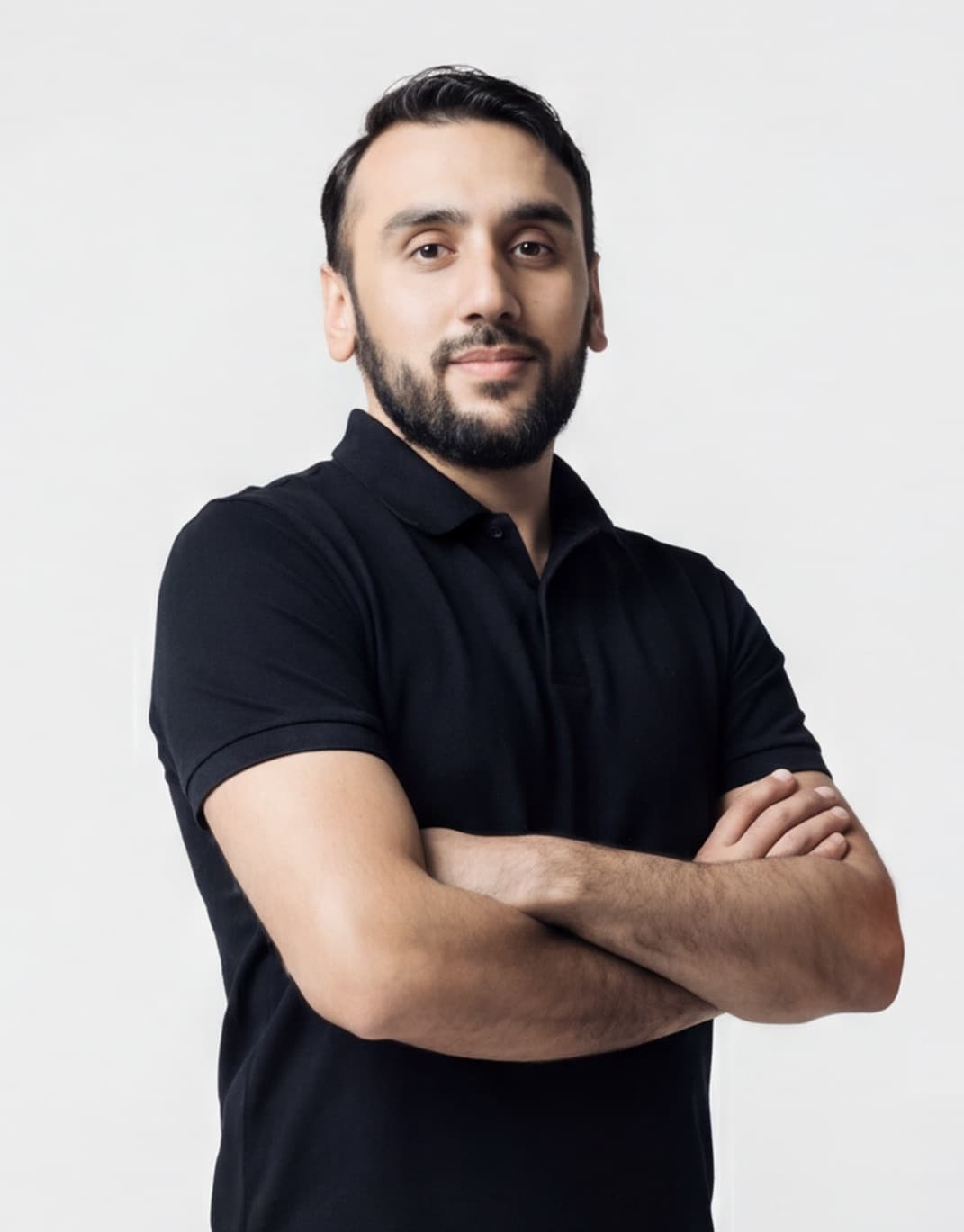
**Deni Khachukaev** is an SEO specialist and founder of Golden Wing Creative Studios in Vienna. Since 2018, he has helped businesses develop sustainable SEO strategies focused on long-term growth. As a Google Analytics Certified Professional and regular speaker at SEO conferences, he combines technical expertise with practical implementation.
LinkedIn: [linkedin.com/in/deni-khachukaev](https://www.linkedin.com/in/deni-khachukaev/)
Website: [goldenwing.at](https://goldenwing.at)